
Crafting Your Own Botanical Liqueurs
Easy-to-follow recipes for herbal liqueurs at home.
November 2, 2025
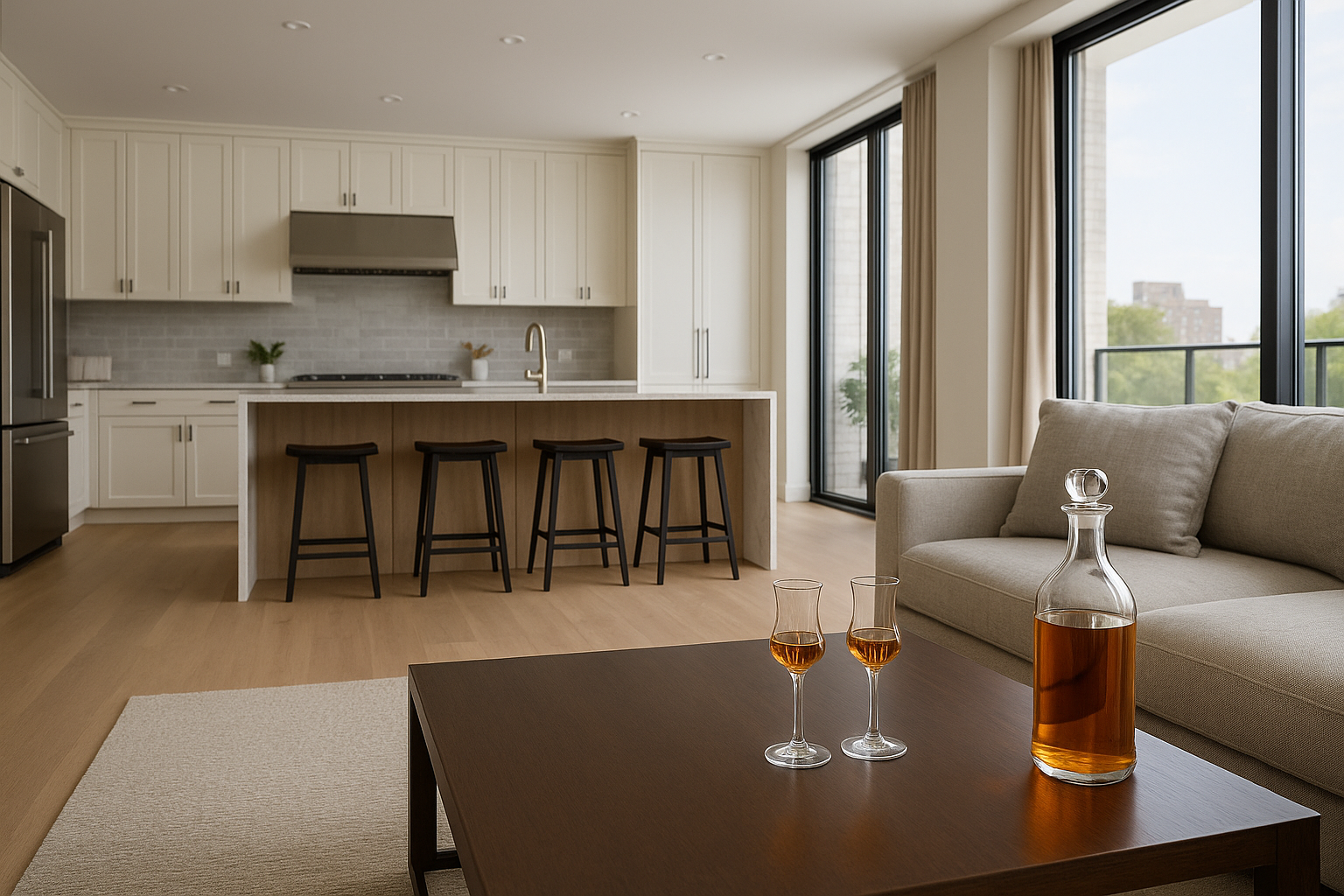
Homemade botanical liqueurs combine the pleasure of hands-on creation with the reliability of tested culinary science. A liqueur is not simply alcohol with sugar sprinkled in, it is a carefully balanced drink in which flavors from plants, fruits, or spices are extracted into alcohol and then sweetened to an exact level. In the European Union, most liqueurs must contain at least 100 grams of sugar per liter, while certain categories such as gentian-based liqueurs are allowed slightly less. In the United States, liqueurs and cordials must contain a minimum of 2.5 percent sugar by weight. Even if you never plan to submit a bottle for official classification, knowing these benchmarks will help you create drinks that match the body and richness of respected commercial brands.
Understanding Extraction
When you infuse botanicals into alcohol, you are carrying out a solid–liquid extraction. Three main variables decide which flavors end up in your glass.
The first is alcohol strength. Spirits in the range of 40 to 60 percent alcohol by volume tend to strike the best balance between extracting aromatic oils, flavor molecules, and plant phenolics. Higher strengths can overemphasize bitter compounds, while much lower strengths may fail to draw out key aromatics.
The second is temperature and time. While heat speeds extraction, it can also push flavors toward the harsher side. Room temperature infusion offers a more controlled result and helps preserve delicate notes. Fragile herbs can be ready in as little as 24 hours, while sturdier botanicals such as spices and citrus peel may require up to two weeks.
The third is surface area. Cutting, bruising, or cracking ingredients exposes more surface for the alcohol to contact, accelerating and intensifying the extraction. This is why cracked spices, bruised herbs, and finely peeled zest tend to infuse faster and more evenly.
Safety and Stability
Even though alcohol is a natural preservative, clean handling is important. Always start with potable, food-grade spirits. Clean bottles and jars thoroughly, and if you want an extra safeguard, sterilize glass containers by immersing them in boiling water for about ten minutes before filling. Sugar not only adds sweetness but also contributes to shelf stability by binding water and creating an environment less hospitable to microbial growth. When recipes include fresh juice or other high-moisture ingredients, refrigeration after bottling is recommended to maintain quality.
The Core Method
You can adapt this straightforward process to almost any botanical combination. Begin by selecting your base spirit, such as vodka, rum, brandy, or grain alcohol diluted to between 40 and 50 percent alcohol by volume. If starting with a higher strength spirit, dilute it with filtered water before infusion. Prepare your botanicals by removing bitter pith from citrus peels, lightly bruising herbs, or cracking hard spices. Weighing ingredients ensures consistency between batches.
Place the botanicals in a sealable jar and cover them completely with the spirit. Store in a cool, dark place and shake the jar daily. Taste periodically to check progress. Once the flavor has reached a pleasing balance, strain the liquid through a fine mesh and then filter through paper or cloth for clarity.
To sweeten, make a simple syrup by dissolving sugar in hot water and allowing it to cool completely. Add the syrup gradually, tasting as you go. For a general liqueur style, about 100 grams of sugar per liter is a good starting point. Dessert-like crème styles can be higher. Once sweetened, bottle the liqueur and allow it to rest for one to two weeks so the flavors can integrate. If you want extra clarity, refrigerate the strained infusion for 24 hours before a final filtration.
Three Tested Recipes
The following recipes are designed for about 750 milliliters of finished liqueur, roughly the volume of a standard wine bottle.
Bright Citrus Liqueur
• Neutral spirit at 50 percent ABV, 500 milliliters
• Zest of six lemons or oranges, about 30 grams, with no pith
• White sugar, 120 to 200 grams to taste
• Filtered water, 250 to 300 milliliters
Macerate the zest in the spirit for five to seven days, shaking daily. Strain and filter. Dissolve sugar in 150 milliliters of hot water, cool, then blend into the infusion. Add extra water as needed to reach your target volume and adjust sweetness to taste.
Kitchen Garden Herbal Liqueur
• Vodka or grape spirit at 45 to 50 percent ABV, 500 milliliters
• Fresh lemon peel, 6 grams
• Fresh rosemary, 2 grams
• Fresh thyme, 1 gram
• Coriander seeds, lightly cracked, 2 grams
• Green cardamom pods, lightly cracked, 1 gram
• White sugar, 120 to 180 grams
• Filtered water, 250 to 300 milliliters
Combine the botanicals and spirit, then macerate for three to five days, tasting daily. Strain and filter. Sweeten with cooled syrup to taste and allow to rest before serving.
Coffee, Vanilla, and Cacao Liqueur
• Rum or vodka at 50 percent ABV, 500 milliliters
• Lightly roasted coffee beans, coarsely cracked, 20 grams
• Cacao nibs, 10 grams
• Vanilla bean, split, 1 piece
• White sugar, 150 to 200 grams
• Filtered water, 250 milliliters
Macerate the coffee, cacao, and vanilla in the spirit for five days. Strain and filter. Sweeten with cooled syrup and adjust to taste. This produces a rich, dessert-like drink with balanced bitterness and aromatic depth.
Tips for Better Results
While making liqueurs is straightforward, a few habits can help improve quality and consistency. Keep a written record of each batch, noting ingredient weights, infusion times, and tasting observations. This makes it easier to repeat successes and fine-tune recipes. Avoid using old or stale botanicals, as freshness significantly affects flavor. If a batch ends up too strong or too weak, blending it with another can help restore balance. Remember that more is not always better when it comes to botanicals, overloading can lead to unbalanced or overly bitter results.
Why Homemade Often Wins
Commercial liqueurs are built for consistency and shelf stability, often using large-scale extraction and flavoring processes. At home, you have the freedom to work with fresh seasonal botanicals, adjust sweetness to suit your palate, and create flavor combinations that are not available on store shelves. You can also experiment with different types of sugar, such as demerara or honey, to add complexity and depth.
Conclusion
Crafting botanical liqueurs at home is an accessible and rewarding way to explore flavor, technique, and creativity. By understanding the principles of extraction and taking care with ingredient preparation, you can produce drinks that are both distinctive and high quality. Whether you prefer the brightness of citrus, the freshness of garden herbs, or the indulgence of coffee and cacao, the process is as enjoyable as the final sip. A well-made homemade liqueur is not only a pleasure to drink but also a reflection of the season, the ingredients, and the care you put into the craft.
Cheers,
The Bar Mate Crew